
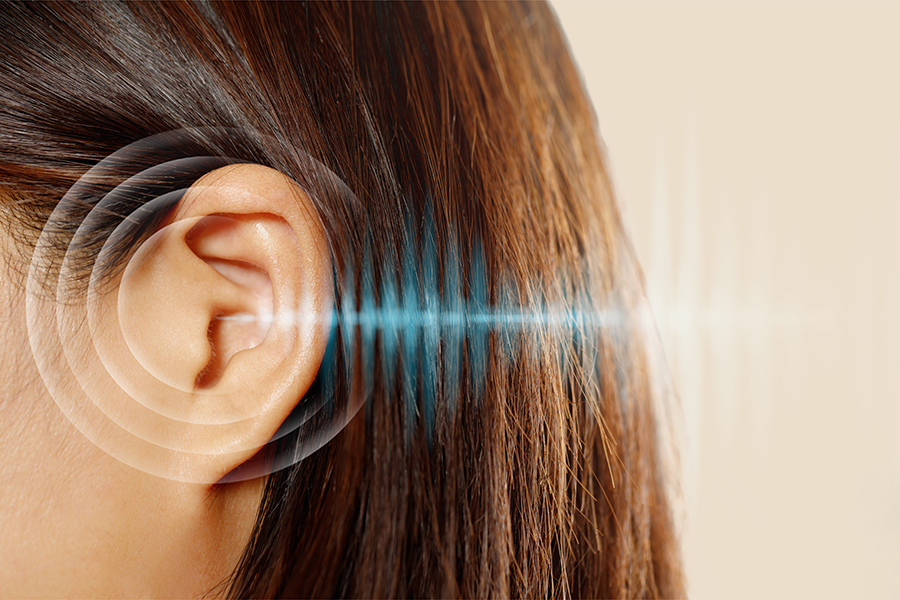
In this course, you will learn about how we hear, how the ear works, and what different terms related to hearing mean. We will also explore hearing levels, hearing tests (audiograms), and the types of technology that can help with hearing, like hearing aids and cochlear implants.
This course is here to give you the basic knowledge you need to understand hearing and how we can support students with different hearing levels.
ELIGIBILITY: If you are an APSEA staff member or an eligible educator within Atlantic Canada, this course will be automatically added to your account when you sign in with a recognized email address. If you are not eligible for automatic enrollment, you are welcome to purchase the course through 258HUB.
Total Video Runtime: 14 minutes
Estimated Completion Time: 30 Minutes
Estimated completion times include watching videos, reviewing course materials, and completing activities and quizzes. Actual completion times may vary depending on individual learning pace.
This professional development series was developed by Deaf Services Canada for the Atlantic Provinces Special Education Authority (APSEA).